
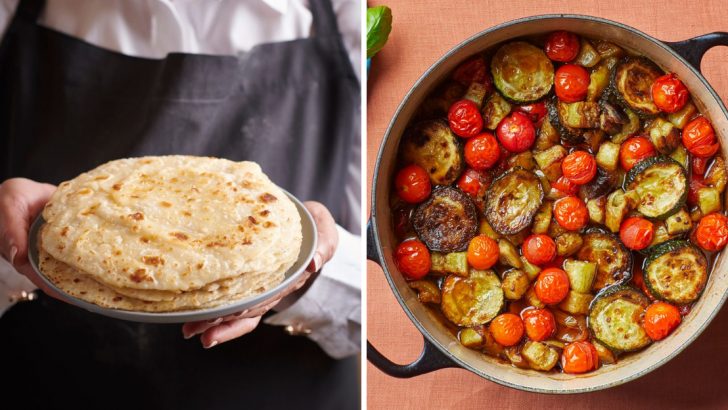
Extreme poverty meals, born out of necessity, highlight the resilience and creativity of people facing severe economic challenges. These meals, often simple and inexpensive, offer insight into diverse cultural adaptations to hardship and scarcity. Understanding these dishes provides a window into the daily lives of those who must improvise and adapt to survive.
1. Congee
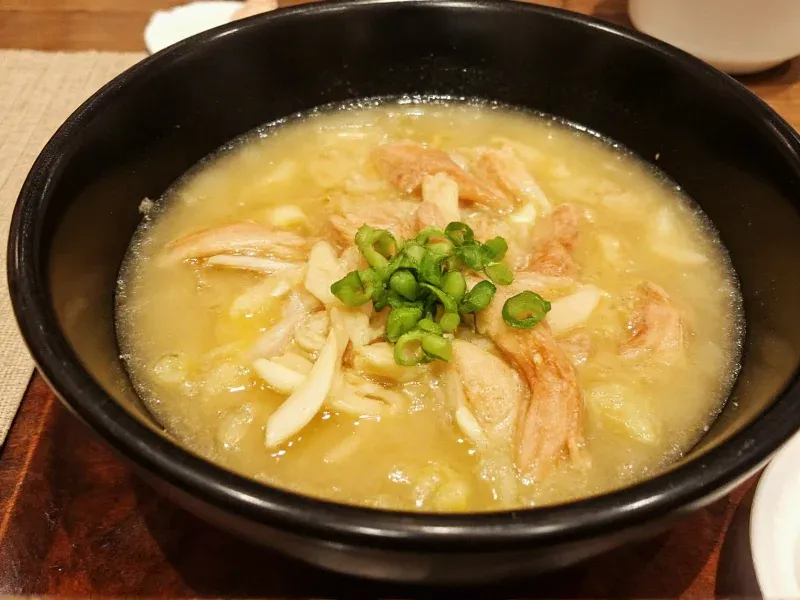
A steaming bowl of congee, a staple in many Asian countries, represents resilience and simplicity. Made from rice cooked until it becomes a soupy porridge, it sustains millions every day.
Often served plain, it can be dressed with whatever is available, from a simple pinch of salt to leftover vegetables. This adaptability makes congee a versatile meal, especially in times of scarcity.
Its warm, comforting texture is a reminder of home for many. Despite its humble ingredients, congee nourishes both body and soul, bridging the gap between lack and sustenance.
2. Dahl and Rice
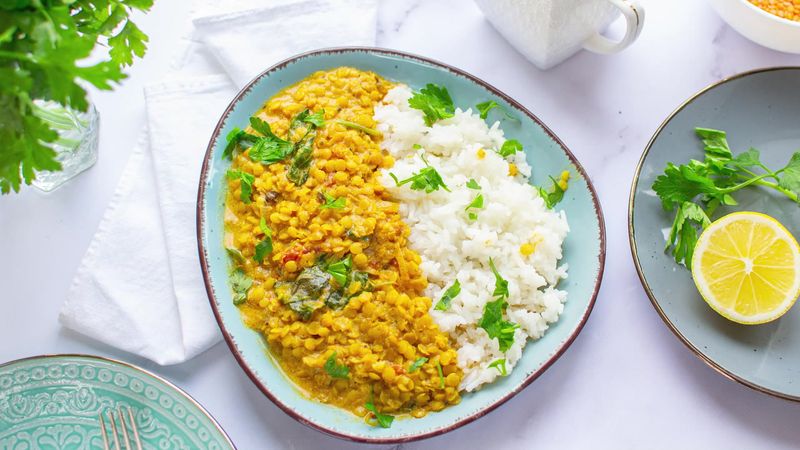
A staple in South Asian cuisine, dahl and rice provide a hearty and nourishing meal. Lentils, the primary ingredient, are often cooked with spices and served over rice.
This combination offers protein and carbohydrates, essential for a balanced diet. Despite its simplicity, the flavors are rich and satisfying.
In regions where meat is a luxury, dahl and rice fulfill nutritional needs. This dish exemplifies how basic ingredients can be transformed into a wholesome meal, emphasizing resourcefulness and cultural tradition.
3. Ratatouille
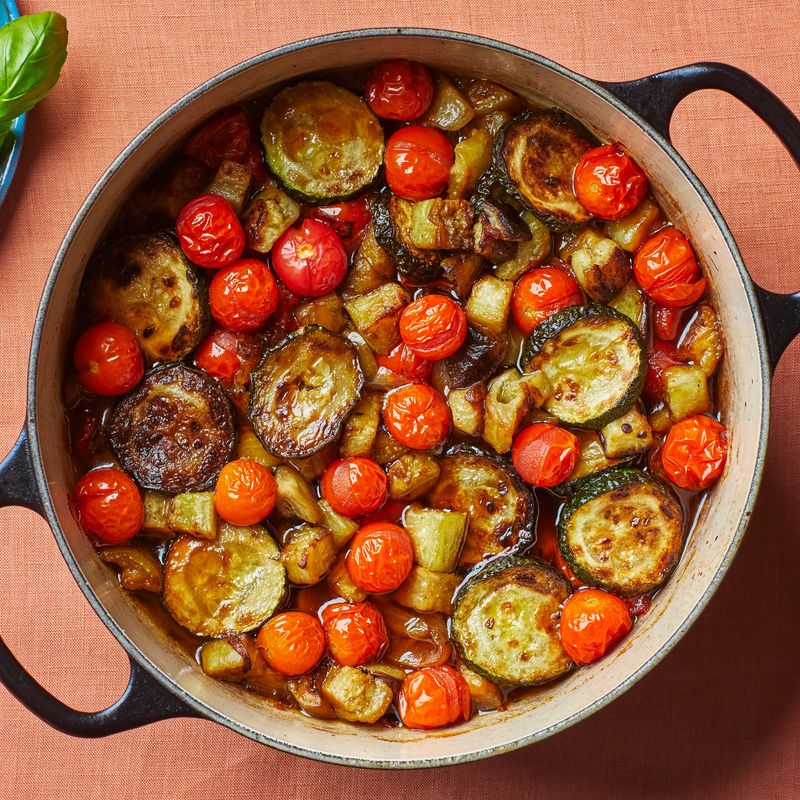
Ratatouille, a traditional French dish, showcases how vegetables can create a flavorful meal. Originating from Provence, it includes ingredients like tomatoes, zucchini, and eggplant.
Often cooked slowly, the vegetables meld into a stew, offering a taste of summer even in the cold months. It’s a dish of frugality, using what’s on hand and in season.
The vibrant colors and aromatic herbs make ratatouille a feast for the senses, proving that simplicity doesn’t mean sacrificing flavor. This dish stands as a testament to culinary creativity in lean times.
4. Ugali
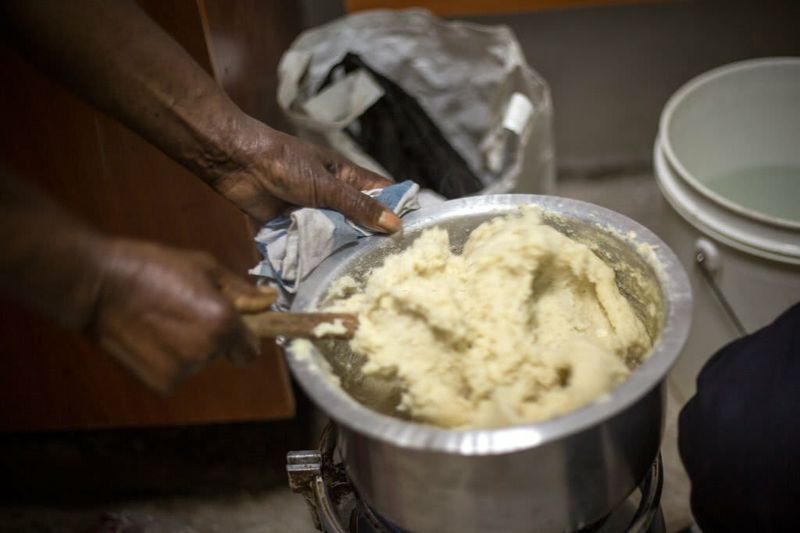
Ugali, a staple starch in East Africa, is as versatile as it is filling. Made from maize flour and water, it forms a dense dough that pairs well with vegetables or meat when available.
Easy to prepare and requiring little more than a pot and spoon, ugali is a lifeline for many. Its neutral flavor absorbs the taste of accompanying dishes, enhancing their flavors.
While simple, ugali provides energy and sustenance, demonstrating how basic elements can support a community’s dietary needs. It remains a cherished part of East African culinary culture.
5. Miso Soup
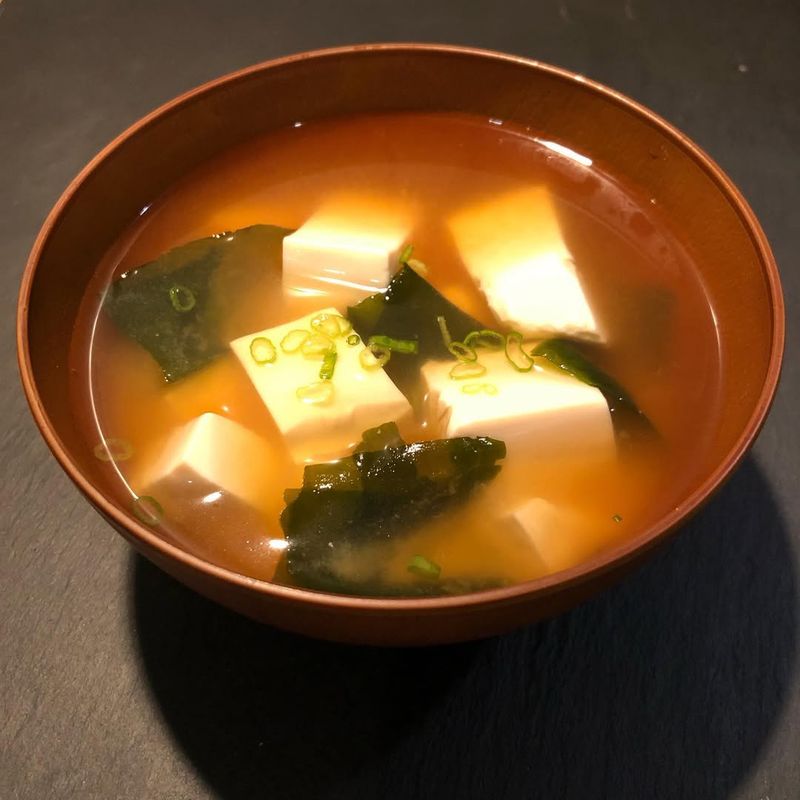
Miso soup, a Japanese staple, is both nourishing and economical. Made from fermented soybeans, miso paste forms the base of this savory broth.
Tofu, seaweed, and green onions are common additions, depending on availability. This soup offers umami flavors and warmth, even with minimal ingredients.
It highlights the power of fermentation in enhancing flavors and nutrients. Miso soup is a testament to simplicity, providing comfort and health benefits without the need for complex ingredients or preparation.
6. Arepas
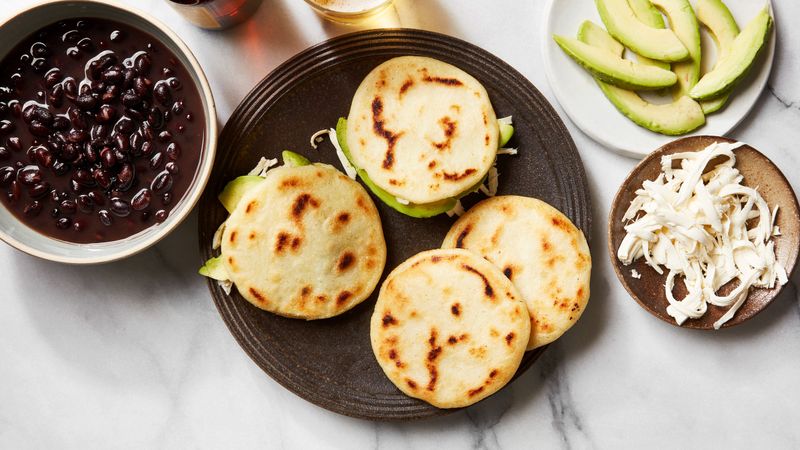
Originating from Venezuela and Colombia, arepas are cornmeal cakes that have become a cornerstone of local diets. Simple yet satisfying, they can be grilled, baked, or fried.
Often split open and filled with cheese, beans, or meat, arepas adapt to what’s available. Their crispy exterior and soft interior make them a beloved comfort food.
In regions where corn is abundant, arepas serve as a versatile and economical meal option. They highlight the resourceful use of staple crops to provide nourishment and delight.
7. Roti and Salt
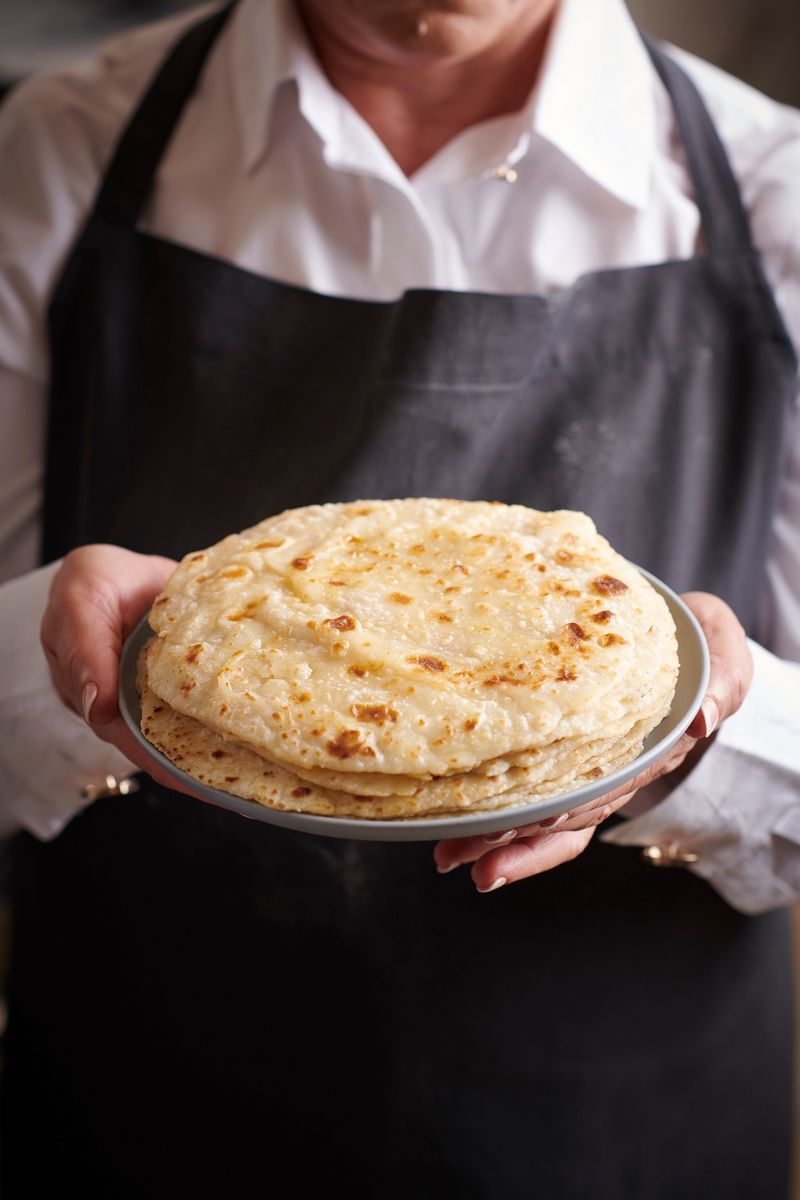
Roti and salt, a minimalist meal, are common in many parts of South Asia. Made from unleavened whole wheat flour, roti is cooked on a hot griddle.
When other food is scarce, this combination provides a basic yet sustaining meal. It underscores how fundamental ingredients can sustain life.
Roti’s soft texture and the salt’s sharpness create a humble yet satisfying pairing. This meal illustrates survival through simplicity, emphasizing the enduring relationship between bread and sustenance across cultures.
8. Gazpacho
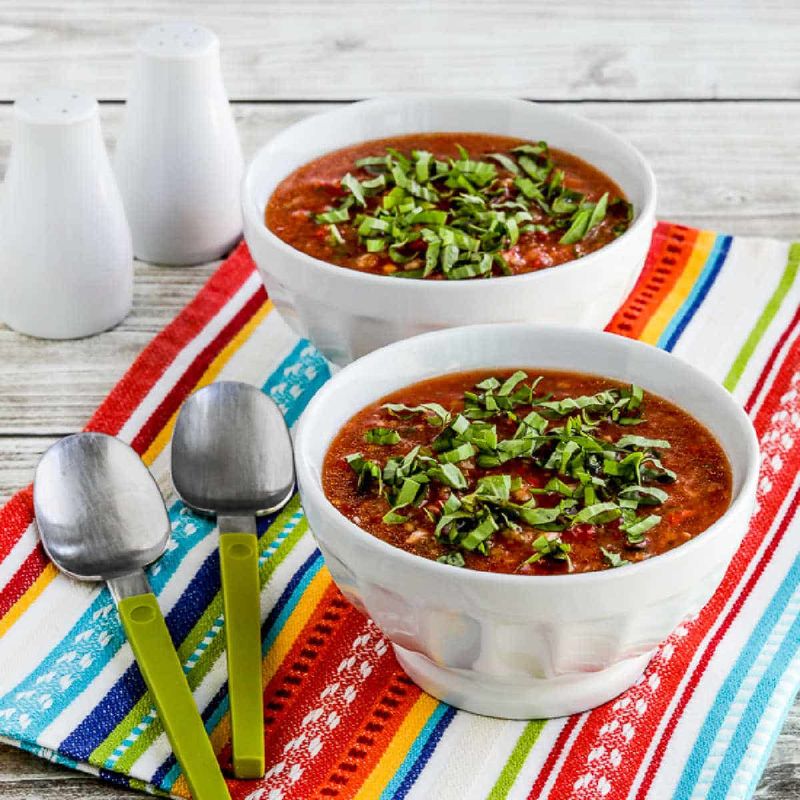
Gazpacho, a cold Spanish soup, is a refreshing and resourceful dish. Made primarily from tomatoes, cucumbers, and peppers, it embodies the essence of summer.
Ideal for hot climates, gazpacho requires no cooking, making it energy-efficient. Its origins lie in using ripe produce before spoilage.
The soup’s refreshing flavors and vibrant colors make it a delight, even with its modest ingredients. Gazpacho exemplifies how regional ingredients can create both a nutritional and sensory experience, rooted in tradition and practicality.
9. Tsampa
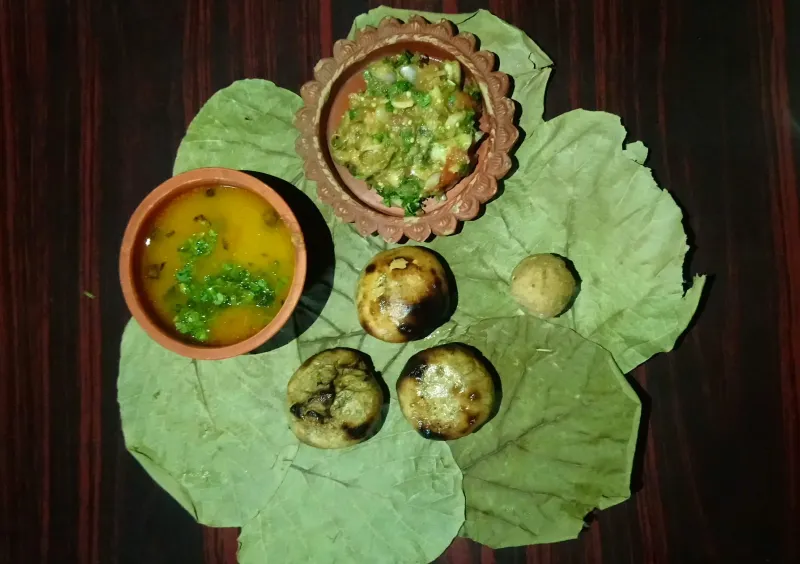
Tsampa, a Tibetan staple, showcases simplicity and nourishment through roasted barley flour mixed with butter tea or hot water.
Often consumed as porridge, it offers warmth and energy in harsh climates. Its preparation requires minimal resources, highlighting its practicality.
Tsampa’s nutty flavor is both unique and comforting. It stands as a cultural symbol of resilience, embodying the strength of Tibetan communities through history. This meal is a testament to the nourishing power of basic, accessible ingredients.